Technical & Non Technical Workshops Modules

Website Development

Introduction
  • Overview of website development tools (e.g., VS Code, browsers, online playgrounds).
  • Explanation of workshop goals and structure.
HTML Basics
  • Introduction to HTML and webpage structure.
  • Key tags: headings, paragraphs, lists, images, links, and semantic elements.
  • Hands-on: Create a basic webpage with essential elements.
CSS Fundamentals
  • Introduction to CSS for styling webpages.
  • CSS syntax, selectors, and basic properties (e.g., colors, fonts, margins, layouts).
  • Hands-on: Style the HTML page and implement a simple responsive design.
Introduction to JavaScript
  • Overview of JavaScript for interactivity.
  • Basic syntax, DOM manipulation, and events.
Deploying the Website
  • Overview of web hosting and free hosting platforms (e.g., GitHub Pages).
  • Steps to deploy a website using GitHub Pages or Netlify.

Venue:

Date:

Modelling

Introduction to Modelling

  • Types of modelling (fashion, commercial, editorial, fitness).
  • Industry expectations, agency roles, and professional etiquette.

Posing Techniques

  • Basics of dynamic poses for photoshoots.
  • Tips on angles, expressions, and working with photographers.

Runway Walking Basics

  • Techniques for confident walking, posture, pace, and turns.
  • Tips for handling wardrobe changes and accessories.

Building a Portfolio

  • Key elements of a strong portfolio (headshots, diversity, full-body shots).
  • Collaborating with photographers and stylists.

Venue:

Date:

Digital Marketing

  1. Introduction to Digital Marketing: Overview of digital marketing channels and their benefits.
  2. SEO Basics: On-page vs. off-page SEO, keywords, and tools like Google Keyword Planner.
  3. Social Media Marketing: Platform-specific strategies, creating engaging content, and basic metrics.
  4. Email Marketing: Structuring campaigns, creating CTAs, and tools like Mailchimp.
  5. Strategy Creation: Setting goals, identifying audiences, and crafting a digital marketing plan.

Venue:

Date:

Business Development

  • Introduction to Business Development: Define business development, its importance, and key responsibilities.
  • Identifying Opportunities: Market research, target audience analysis, and SWOT analysis.
  • Building Relationships: Networking, communication skills, and relationship management tools.
  • Crafting a Business Development Strategy: Setting SMART goals, identifying KPIs, and creating a growth plan.

Venue:

Date:

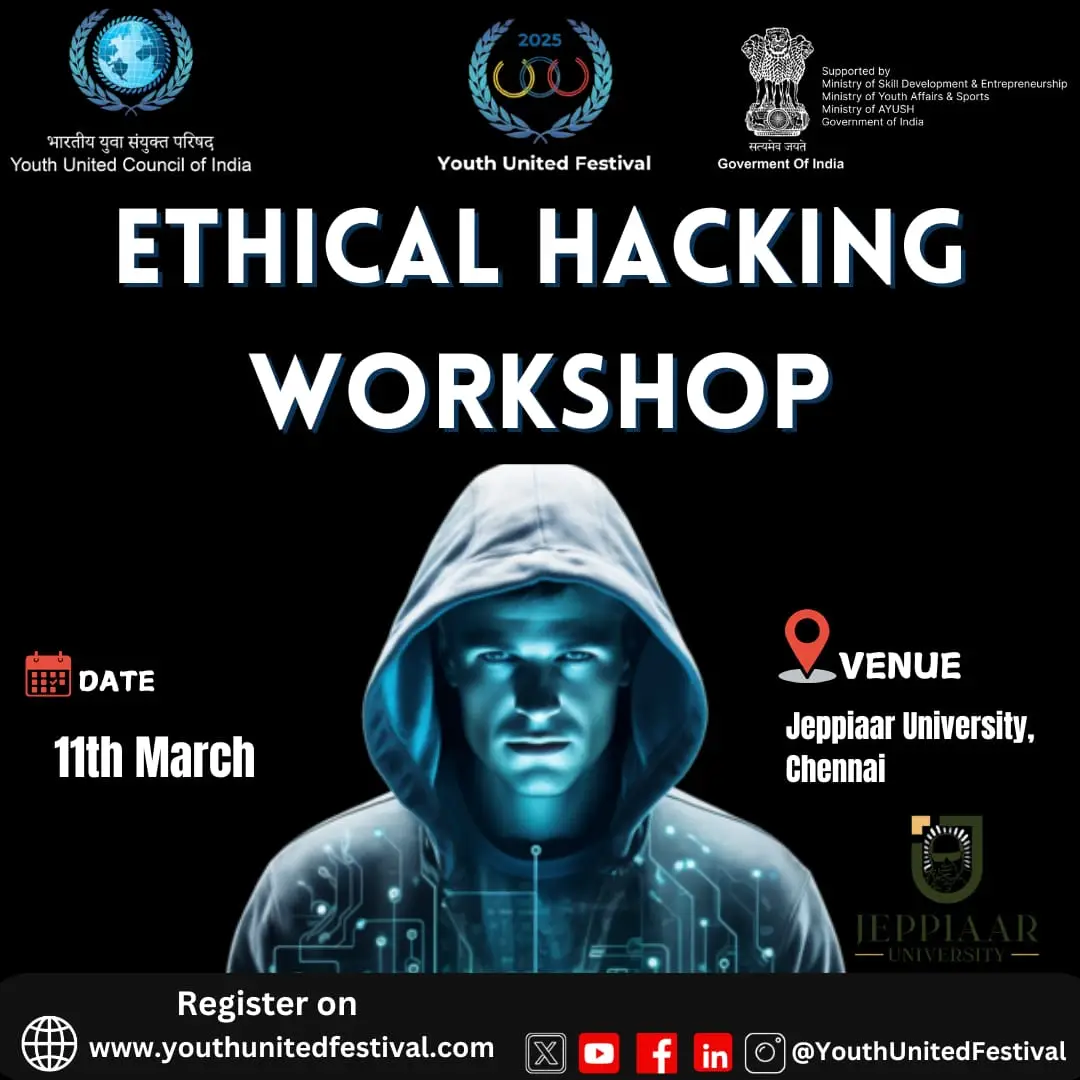
Ethical Hacking

Introduction to Ethical Hacking

  • Define ethical hacking and its role in cybersecurity.
  • Types of hackers (White Hat, Black Hat, Grey Hat).
  • Ethical and legal considerations.

Reconnaissance and Information Gathering

  • Understand reconnaissance techniques (passive and active).
  • Tools like Nmap and Whois for data gathering.
  • Importance of footprinting.

Scanning and Vulnerability Analysis

  • Introduction to vulnerability scanners (e.g., Nessus, OpenVAS).
  • Analyzing scan results and identifying system weaknesses.
  • Overview of penetration testing phases.

Introduction to Exploitation and Reporting

  • Basics of exploitation using tools like Metasploit (demo).
  • Importance of documentation and reporting vulnerabilities.
  • Discuss remediation strategies.

Venue:

Date:

DevOps

Understanding DevOps

  • Overview of DevOps principles, benefits, and lifecycle stages.

Key DevOps Tools and Practices

  • Introduction to tools like Git, Docker, Jenkins, and Kubernetes.
  • Overview of CI/CD pipelines and Infrastructure as Code (IaC).

Hands-On with CI/CD Pipeline

  • Setting up and automating a basic pipeline for building and deploying a sample application.

Monitoring and Feedback
  • Importance of monitoring and logging in DevOps.
  • Tools like Prometheus and Grafana for analyzing performance and feedback.

Venue:

Date:

Psychology

 Introduction to Psychology
  • Overview of psychology, its branches, and historical figures.
Key Psychological Theories
  • Exploration of behaviorism, cognitive theory, humanism, and psychoanalysis.
  • Application of theories to real-life situations.
Understanding Human Behavior
  • Nature vs. Nurture debate, cognitive processes, and motivations.
  • Discussion of emotions and behavior influences.
Mental Health and Well-being
  • Overview of common mental health conditions and coping strategies.
  • Stress management techniques, including mindfulness.

Venue:

Date:

Stock Market Trading

Introduction & Objectives
  • Outline goals and icebreaker activity.
Understanding the Stock Market
  • Learn how the stock market works, key players, and stock exchanges.
Basic Trading Concepts and Terminology
  • Understand stocks, orders, market types, and essential trading terms.
Stock Analysis and Trading Strategies
  • Introduction to fundamental and technical analysis, along with common trading strategies.
Risk Management and Key Market Factors
  • Learn about diversification, stop-loss orders, and factors influencing stock prices.

Venue:

Date:

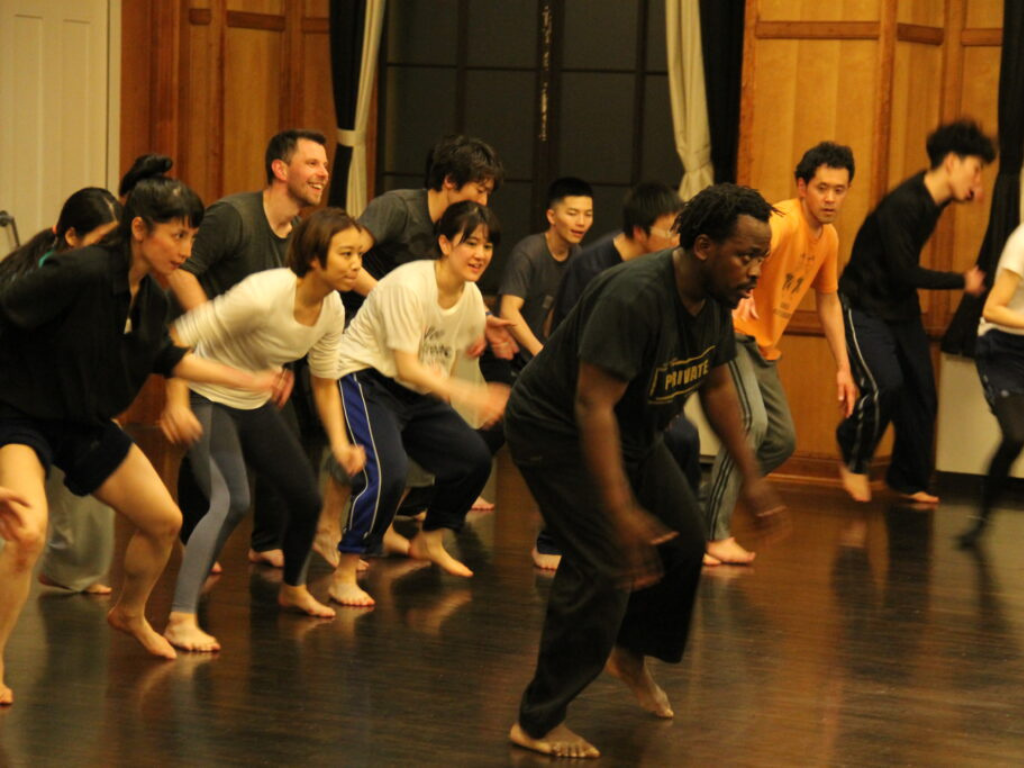
Dance

 Introduction to Dance and Rhythm
  • Explore the importance of dance and basic rhythms.
  • Group discussion and rhythm exercises.
Basic Dance Movements and Techniques
  • Learn fundamental movements like posture, footwork, and arm positioning.
  • Practice basic techniques (balance, isolation, coordination).
Choreography and Dance Routines
  • Learn and combine basic steps into a short routine.
  • Focus on rhythm, expression, and style.
Performance and Confidence Building
  • Overcome stage fright, focus on body language, and develop performance skills.
  • Practice the routine and perform it in front of a group.

Venue:

Date:

Public Speaking

 Introduction to Public Speaking
  • Overcome fears and gain confidence.
  • Key components: clarity, tone, body language, and audience engagement.
Structuring Your Speech
  • Organize speeches with a clear introduction, body, and conclusion.
  • Use storytelling and examples for stronger messages.
Effective Use of Body Language and Voice
  • Focus on posture, gestures, vocal variety, and eye contact.
  • Practice delivering speeches with attention to body language and voice.
Handling Nervousness and Engaging the Audience
  • Techniques for managing stage fright (breathing exercises).
  • Engage the audience through humor, questions, and storytelling.

Venue:

Date:

Cybersecurity

 Introduction & Objectives
  • Welcome participants and outline workshop objectives.
  • Brief icebreaker activity (e.g., a quick poll on cybersecurity experiences).
Understanding Cybersecurity
  • Definition and importance of cybersecurity.
  • Explanation of the CIA Triad (Confidentiality, Integrity, Availability).
Common Threats & Attacks
  • Overview of threats: phishing, malware, ransomware, social engineering.
  • Case studies of notable cyberattacks.
  • Group discussion: Recognizing phishing emails.
Best Practices for Cybersecurity
  • How to create and manage strong passwords.
  • The role of Multi-Factor Authentication (MFA).
  • Importance of software updates and safe browsing habits.
  • Role-playing exercise: Identifying and reporting suspicious activity.
Hands-On Activity
  • Phishing Simulation: Analyze sample emails to identify phishing attempts.
  • Password Creation Exercise: Practice creating strong passwords using a checklist.

Venue:

Date:

Social Media Marketing

Introduction & Objectives
  • Welcome and outline workshop goals.
  • Icebreaker activity on preferred social media platforms.
Understanding Social Media Marketing
  • Definition and benefits of SMM.
  • Overview of customer journeys and sales funnels.
Social Media Platforms & Strategies
  • Key platforms and their audiences.
  • Paid vs. organic strategies.
  • Introduction to analytics and key metrics.
Content Creation & Engagement
  • Types of content: posts, stories, reels, and videos.
  • Tips for engaging captions and hashtag use.
  • Importance of audience interaction.
Hands-On Activity
  • Activity 1: Create a social media post using Canva or similar tools.
  • Activity 2: Develop a one-week content plan for a chosen platform.

Venue:

Date:

YouTube Marketing

Introduction & Objectives
  • Welcome participants and outline goals.
  • Discussion: Favorite YouTube channels and their appeal.
Understanding YouTube Marketing
  • Importance and reach of YouTube.
  • Overview of monetization options and key metrics.
Creating Engaging Content
  • Types of content and storytelling tips.
  • Strategies for planning and scripting videos.
Optimizing Videos for Success
  • Best practices for titles, thumbnails, and descriptions.
  • Using keywords and tags for SEO.
  • Introduction to YouTube analytics.
Hands-On Activity
  • Activity 1: Outline a video concept with a script, title, and thumbnail idea.
  • Activity 2: Optimize a sample video with descriptions, keywords, and tags.

Venue:

Date:

How to Crack Competitive exams

Introduction & Objectives
  • Welcome participants and discuss goals.
  • Brief discussion on motivations for preparing for TNPSC exams.
Understanding Tamil Nadu Group Exams
  • Overview of TNPSC Group 1, 2, 4, and VAO exams.
  • Exam structure, syllabus, and scoring pattern.
Syllabus Breakdown and Study Strategies
  • Key topics: General Studies, Tamil/English, Aptitude, and Reasoning.
  • Prioritizing high-weightage topics and recommended resources.
Time Management and Practice Techniques
  • Creating effective study schedules and balancing prelims and mains preparation.
  • Importance of mock tests and analyzing performance.
Hands-On Activity
  • Solve sample questions from General Studies and Aptitude.
  • Create a one-month revision plan with a focus on high-priority topics.
Q&A and Wrap-Up
  • Address questions, recap strategies, and share additional resources (books, mock tests, online platforms).

Venue:

Date:

Career Guidance and Resume Building

Introduction & Objectives
  • Welcome and outline goals.
  • Icebreaker: Share career aspirations or challenges.
Career Planning and Goal Setting
  • Importance of career planning, self-assessment, and setting goals.
  • Identifying strengths, interests, and exploring career paths.
Crafting an Impactful Resume
  • Key sections of a resume and tailoring it to job descriptions.
  • Highlighting achievements and avoiding common resume mistakes.
Job Search Strategies and Interview Preparation
  • Effective job search methods, networking strategies, and interview tips.
  • Preparing for interviews using the STAR method and optimizing LinkedIn profiles.
Hands-On Activity
  • Activity 1: Participants build or update their resumes.
  • Activity 2: Job search strategy—identify potential roles and companies.
Q&A and Wrap-Up
  • Recap key strategies, share additional resources, and collect feedback.

Venue:

Date:

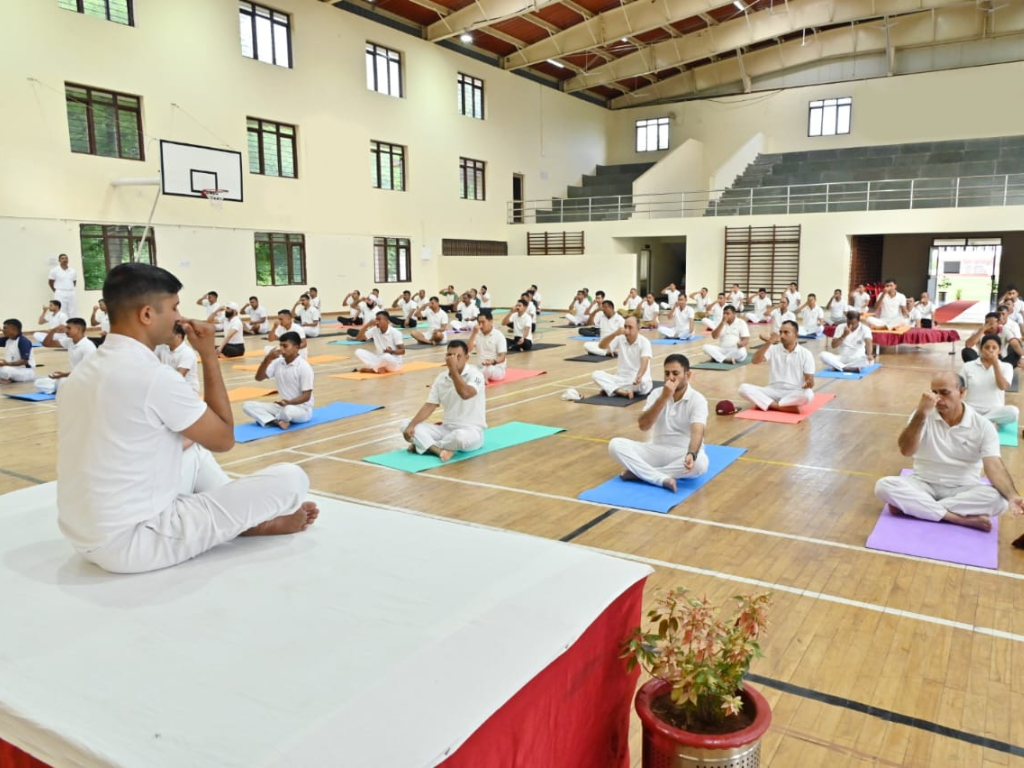
Introduction to Yoga

Introduction & Objectives
  • Welcome and outline goals.
  • Icebreaker: Share personal yoga interests.
Basics of Yoga
  • Overview of yoga history, philosophy, and types.
  • Discussion on yoga’s physical, mental, and spiritual aspects.
Key Yoga Poses and Breathing Techniques
  • Teach basic poses (e.g., Downward Dog, Warrior Pose) and Pranayama (breathing exercises).
  • Benefits and proper alignment of each posture.
Yoga Philosophy and Mental Health
  • Introduction to mindfulness, meditation, and yoga’s impact on mental well-being.
  • Guided meditation for relaxation.
Practical Session
  • Participants practice a 20-minute yoga session with guidance on poses and breathing.

Venue:

Date:

care

Introduction to Theatrical Arts

Introduction & Objectives
  • Welcome and outline goals.
  • Icebreaker: Share what excites you about theatre.
The Fundamentals of Theatre
  • Overview of theatre history, genres, and roles.
  • Importance of stage elements (props, lighting, sound).
Acting Techniques and Emotional Expression
  • Key acting techniques (Stanislavski, Method, Meisner).
  • Focus on body language, voice control, and facial expressions.
  • Exercise: Practice emotive expressions.
Improvisation and Stage Presence
  • Basics of improvisational acting and confidence-building.
  • Group improv game: “Yes, And…”
Hands-On Activity and Performance
  • Groups rehearse and perform a short scene.
  • Focus on applying acting skills and stage presence.

Venue:

Date:

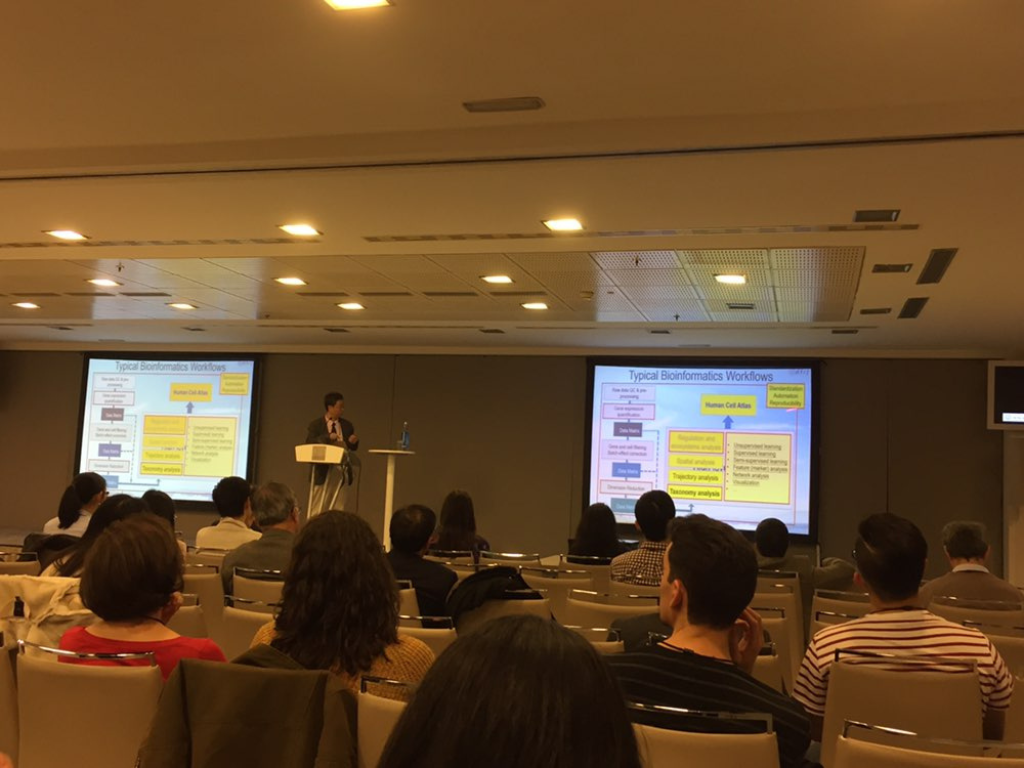
Introduction to Bioinformatics

Introduction & Objectives
  • Welcome and outline goals.
  • Icebreaker: Share what participants know about bioinformatics.
Basics of Bioinformatics
  • Overview of bioinformatics, its role, and the types of biological data.
  • Key concepts like sequence alignment and molecular modeling.
Key Bioinformatics Tools and Databases
  • Introduction to tools like BLAST, ClustalW, and databases like GenBank and UniProt.
  • Demonstration of sequence search and alignment using BLAST.
Practical Applications in Genomics
  • Applications in genomics, personalized medicine, and NGS data analysis.
  • Case study: Using bioinformatics to analyze genomic data.
Hands-On Activity
  • Activity 1: Sequence alignment using BLAST.
  • Activity 2: Exploring GenBank and UniProt for gene/protein data.

Venue:

Date:

Introduction to Journalism

Introduction & Objectives
  • Outline goals and icebreaker activity.
Fundamentals of Journalism
  • Overview of journalism types, principles, and importance of objectivity.
  • Discussion on what makes a good news story.
Writing and Reporting Skills
  • News story structure and tips for clear, concise writing.
  • Writing exercise: Participants write a short news story.
Interviewing Techniques and Ethics
  • Techniques for effective interviews and journalistic ethics.
  • Role-play activity: Mock interview practice.
Hands-On Activity
  • Activity 1: Write a news story based on a scenario.
  • Activity 2: Conduct an interview and write a report.

Venue:

Date:

Radio Jockey (RJ) & Video Jockey (VJ) Skills

Introduction & Objectives
  • Outline workshop goals and icebreaker activity.
Role and Responsibilities of RJs & VJs
  • Discuss the roles of RJs and VJs, their responsibilities, and differences between radio and TV.
Voice Modulation and Presentation Skills
  • Learn techniques for voice modulation, tone, pitch, and building a strong on-air personality.
  • Practice voice exercises and script reading.
Content Creation & Audience Engagement
  • Tips for creating engaging content and interacting with the audience.
  • Group brainstorming on content ideas and audience engagement strategies.
Hands-On Activity: RJ & VJ Practice Session
  • Participants practice being an RJ and VJ, reading scripts, and engaging with an imaginary audience.

Venue:

Date:

Stock Market Trading

Introduction & Objectives
  • Outline goals and icebreaker activity.
Understanding the Stock Market
  • Learn how the stock market works, key players, and stock exchanges.
Basic Trading Concepts and Terminology
  • Understand stocks, orders, market types, and essential trading terms.
Stock Analysis and Trading Strategies
  • Introduction to fundamental and technical analysis, along with common trading strategies.
Risk Management and Key Market Factors
  • Learn about diversification, stop-loss orders, and factors influencing stock prices.

Venue:

Date:

Costume Designing

 Introduction & Objectives
  • Overview of workshop goals and icebreaker activity.
Basics of Costume Design
  • Discuss the role of costume design in performance arts and how it contributes to storytelling.
Elements of Costume Design
  • Cover fabric types, color theory, accessories, and cultural influences in costume design.
Sketching & Design Process
  • Teach sketching techniques and the process of creating costume designs from concept to finished piece.
Hands-On Activity: Costume Design Creation
  • Participants create their own costume design based on a given character description and present it to the group.

Venue:

Date:

Make up Workshop

General Guidelines
  • Punctuality: Participants must arrive on time and attend the entire workshop.
  • Registration: All attendees must register before the session begins.
  • Respect & Professionalism: Maintain a respectful attitude toward instructors and fellow participant
  • No Disruptions: Avoid unnecessary noise and distractions during demonstrations
  • Dress Code: Wear comfortable, professional attire suitable for a makeup session
Hygiene & Safety
  • Clean Hands & Tools: Wash hands before applying makeup and use sanitized tools.
  • No Sharing: Avoid sharing personal makeup products to prevent infections.
  • Sanitization: Brushes, sponges, and other tools must be cleaned before and after use.
  • Patch Testing: Perform a patch test for new products to avoid allergic reactions.
  • Workstation Cleanliness: Keep your area organized and dispose of waste properly.
Makeup Application Rules
  • Follow Instructor’s Guidance: Apply techniques as demonstrated by the instructor.
  • Use Provided Products: Only use products approved for the workshop.
  • Blending & Layering: Practice proper blending techniques for a smooth finish.
  • Day vs. Night Looks: Understand and apply appropriate makeup for different occasions.
  • Minimal Touch-Ups: Do not excessively adjust makeup during the session.
Tools & Equipment Usage
  • Handle with Care: Use brushes, palettes, and mirrors responsibly.
  • Return Borrowed Items: Any borrowed tools must be returned in their original condition.
  • Avoid Wastage: Use makeup products efficiently without excess use.
  • Unauthorized Use: Do not use others’ kits without permission.
  • Proper Storage: Place all items back in designated areas after use.
Workshop Etiquette & Certification
  • Active Participation: Engage in discussions and ask relevant questions.
  • No Recording Without Permission: Taking photos or videos requires prior approval.
  • Respectful Feedback: Provide and receive constructive feedback professionally.
  • Certification Requirements: To receive a certificate, complete all required tasks and attend full sessions.
  • Adherence to Rules: Failure to follow the rules may result in removal from the workshop.

Venue:

Date:

Graphic Designing

Introduction & Objectives
  • Overview of workshop goals and icebreaker activity.
Principles of Graphic Design
  • Learn elements like color, typography, and shape, along with principles such as balance, contrast, and hierarchy.
Introduction to Graphic Design Tools
  • Overview of tools like Adobe Photoshop, Illustrator, and free alternatives. Basic functions such as layers, text tools, and image formats are covered.
Hands-On Activity: Creating a Design
  • Participants create a design (e.g., social media post, logo, flyer) using the learned tools and principles.
Design Critique and Wrap-Up
  • Participants present their designs, followed by feedback. Recap of key takeaways and resources for further learning.

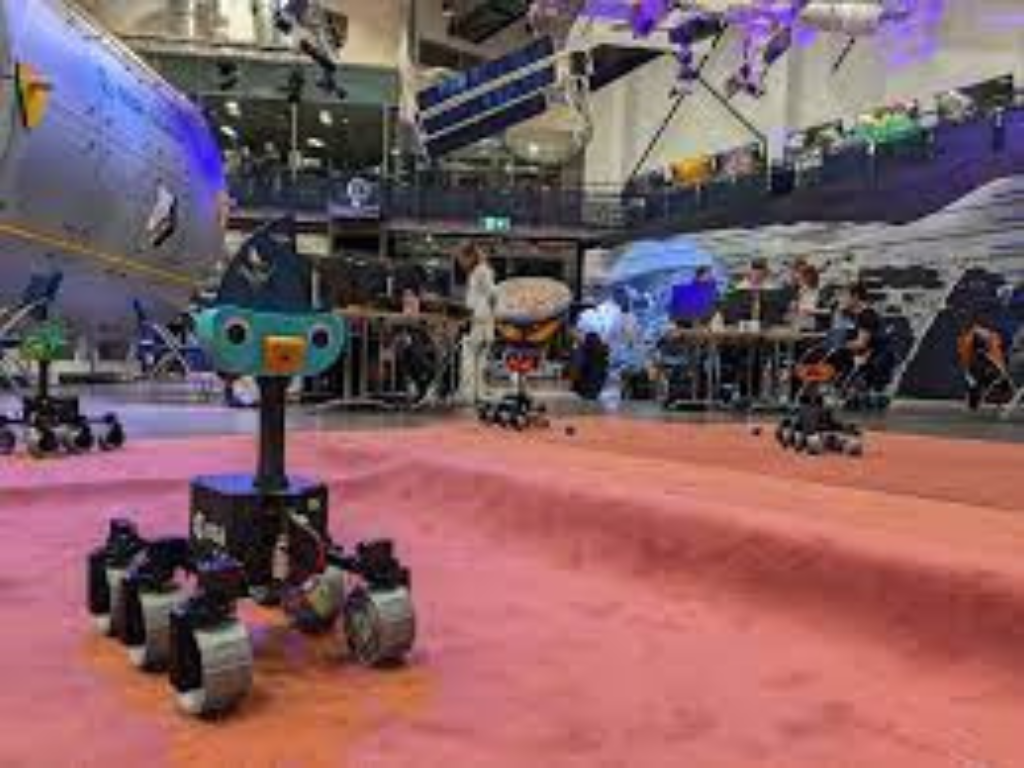
Satellite Communication & Robotic Science

Introduction & Objectives
  • Overview of goals and icebreaker activity.
Introduction to Satellite Communication
  • Discuss satellite types, how satellite communication works, and its role in global infrastructure.
Satellite Communication Systems
  • Explore communication frequency bands, satellite transponders, ground stations, and real-world applications.
Introduction to Robotics
  • Learn about different types of robots, key components, and robotics in various industries.
Robotics Fundamentals & Design
  • Cover robot design principles, actuators, sensors, and robot programming.

Venue:

Date:

Business Debate

  • Teams will have two participants each.
  • Each debate will consist of opening statements (2 minutes per side), rebuttals (1 minute), and a closing statement (1 minute).
  • Topics will be provided 1 hour before the competition begins.
  • Participants must not engage in personal attacks or use offensive language.
  • Points will be awarded for content, argument structure, and presentation skills.
  • Interruption of opponents is strictly prohibited.
  • The use of mobile phones or reference materials during the debate is not allowed.
  • Teams will draw lots to determine their stance (for or against).
  • A moderator will enforce time limits and ensure fair play.
  • Each team is required to present clear, logical, and evidence-backed arguments.
  • Props or visuals are not allowed.
  • Participants must maintain formal and respectful behavior throughout.
  • Latecomers will not be permitted to join once the debate begins.
  • ‘The judges’ decisions are final and cannot be disputed.
  • Teams failing to adhere to the rules may face point deductions or disqualification.

Venue:

Date:

Business quiz

  • Each team will consist of 2-3 members.
  • There will be multiple rounds: preliminary (written), rapid-fire, and buzzer.
  • Only the top 6 teams from the preliminary round will advance.
  • Answers must be submitted within the allotted time for each question.
  • Use of mobile phones, smartwatches, or any electronic device is prohibited.
  • Teams must answer questions from various business categories like finance, marketing, and startups.
  • Points will be deducted for wrong answers in the buzzer round.
  • Judges’ decisions on answers and disputes are final.
  • Teams must register before the quiz begins and be present on time.
  • Whispering or discussing answers with the audience is strictly prohibited.
  • Replacement of team members after registration is not allowed.
  • Ties will be resolved by additional tie-breaker questions.
  • A team can skip a question, but no extra questions will be provided.
  • The quizmaster has the authority to modify rules for unforeseen circumstances.
  • Misconduct during the event will result in immediate disqualification.

Venue:

Date:

Networking

Introduction & Objectives
  • Overview of workshop goals and icebreaker activity.
Understanding Networking
  • Explore the concept, importance, and benefits of networking.
  • Address common fears and misconceptions.
Networking Strategies & Best Practices
  • Learn where and how to network effectively, including leveraging platforms like LinkedIn.
  • Tips on making strong first impressions.
Developing Effective Communication Skills
  • Focus on active listening, asking the right questions, and using non-verbal cues.
Hands-On Activity: Networking Role Play
  • Simulate networking scenarios to practice initiating and maintaining conversations.

Venue:

Date: